


Polymeric materials offer significant advantages for Petri dishes. They provide chemical resistance, withstand efficient sterilization, and offer excellent transparency-a crucial factor for experimental observation. Disposable PP Petri dishes minimize the risk of contamination and eliminate the need for repeated sterilization, making them ideal for large-scale or time-sensitive laboratory operations.
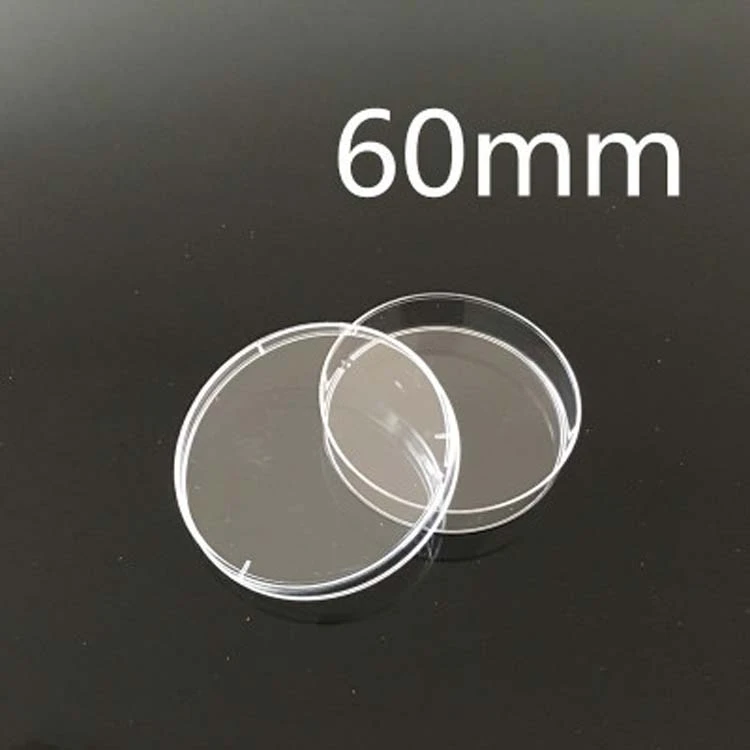
The 60mm Petri dish is well-suited for small-scale cultures or experiments requiring minimal sample volumes. Its compact design conserves reagents and incubator space, making it perfect for preliminary testing. The transparent walls allow for clear observation of microbial or cell growth.
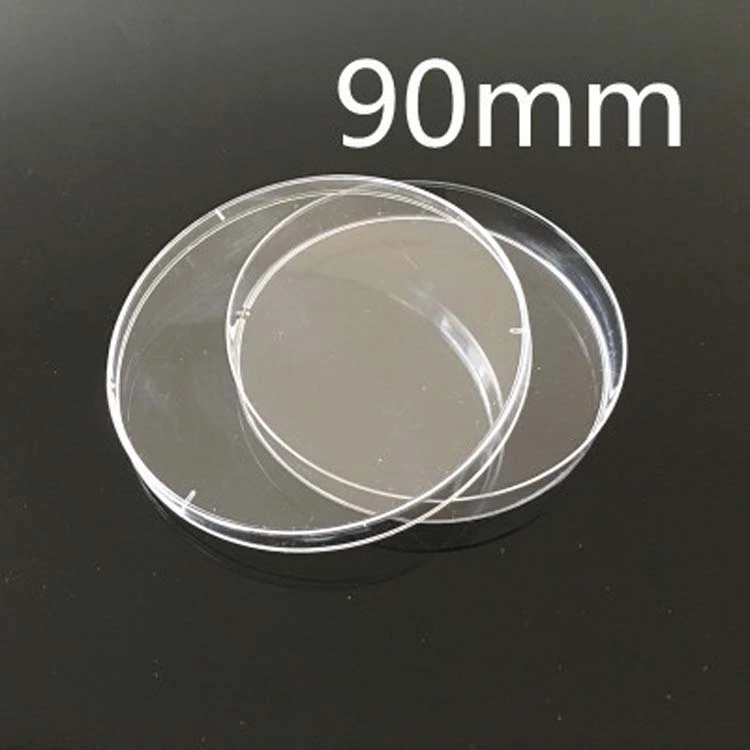
The 90mm Petri dish is an industry standard for many microbiological assays. Its intermediate size strikes a balance between ample growth area and spatial efficiency, making it a common choice for bacterial culture, fungal testing, and antibiotic susceptibility testing. Laboratory technicians value its ease of handling and compatibility with most incubation trays.
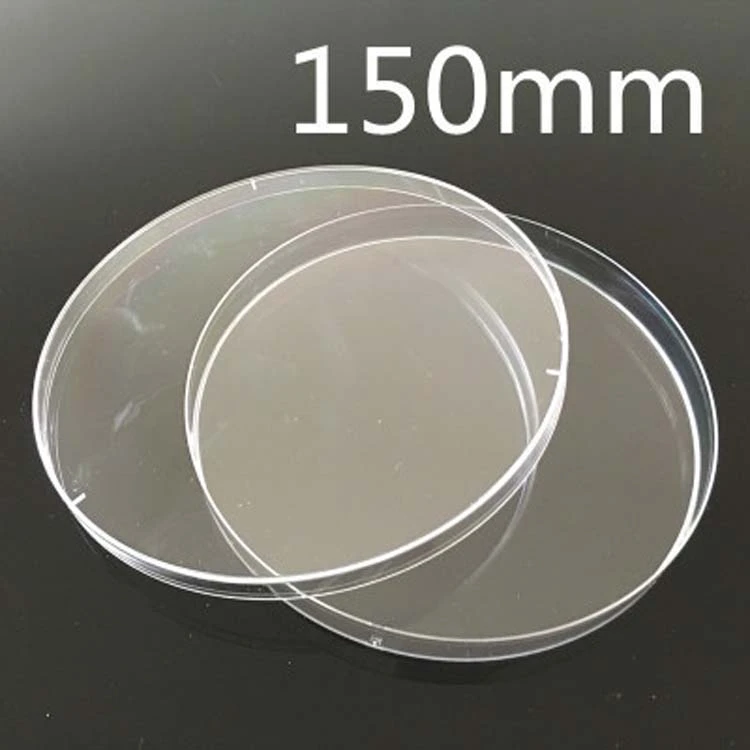
When a larger surface area is required, the 150mm Petri dish offers expanded space for growth and observation. It is suitable for applications requiring large numbers of microbial colonies or the testing of multiple samples on a single plate. This model is ideal for ecological studies or research involving the isolation of extensive populations.
Some polypropylene (PP) Petri dishes are designed with multiple shallow compartments, enabling simultaneous experiments within a single dish without the risk of cross-contamination. These multi-compartment dishes enhance laboratory efficiency by reducing the number of dishes required per test, minimizing waste, and streamlining comparative studies.
Manufacturing high-quality PP (polypropylene) Petri dishes requires precision machinery known as injection molding machines. These machines ensure consistent wall thickness, optical clarity, and durability. Advanced injection molding technology, combined with automated quality control, produces sterile, uniform dishes that are ready for immediate laboratory use.
Beyond manufacturing equipment, laboratory environments rely on specialized instruments-such as incubators, laminar flow hoods, and microscopes-to utilize these dishes effectively. Appropriate handling tools and storage systems also facilitate inventory management for these disposable Petri dishes.
Transparent, disposable PP plastic Petri dishes are available in various sizes-such as 60 mm, 90 mm, and 150 mm-to meet diverse laboratory requirements. Their disposable nature, combined with superior clarity and chemical resistance, makes them indispensable tools in modern laboratories. Whether conducting small-scale research or large-scale experiments, selecting the right Petri dish model-supported by efficient manufacturing technology-can significantly enhance research accuracy and workflow efficiency.


