


Insulin pen needles have revolutionized diabetes management by providing a convenient, precise, and less painful method. Understanding the specific data parameters is crucial when choosing the ideal insulin pen needle to ensure effective and comfortable use. This comprehensive guide highlights key technical specifications of insulin pen needles to help users make informed decisions and improve the quality of diabetes care.
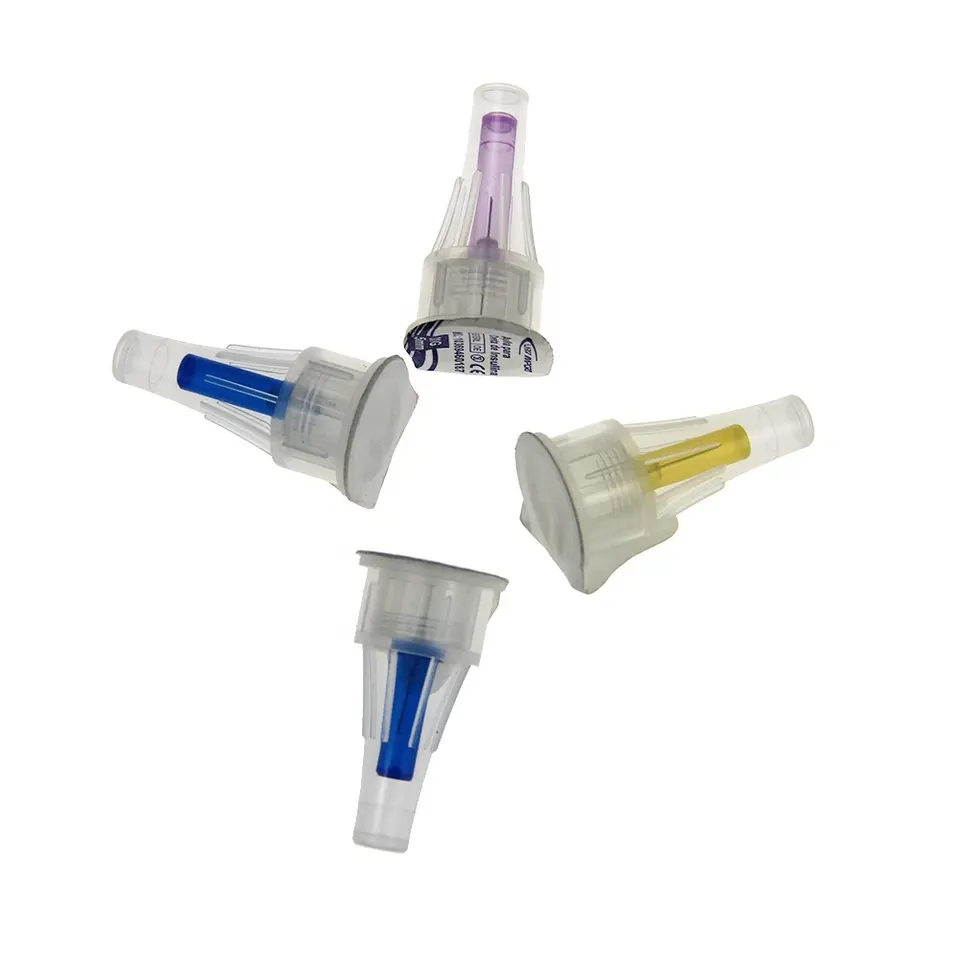
Most insulin pen needles are between 4 mm and 12.7 mm in length. Common lengths are as follows:
4 mm: Ultra-short, designed to reduce pain, suitable for all body types, including children and lean adults.
5 mm to 6 mm: A popular medium-length product that provides efficient insulin delivery while reducing the risk of intramuscular injection.
8 mm to 12.7 mm: Longer needles can be used for larger individuals, but there is a higher risk of intramuscular injection and increased pain.
Clinical studies recommend the use of shorter needles (4 to 6 mm) because they allow for effective subcutaneous injection while reducing discomfort.
The most common needle sizes for insulin pen tips range from 28G to 36G.
28G-31G: Thicker needles, slightly more durable, but may cause more pain.
32G-36G: Ultra-fine needles designed to reduce pain and anxiety during injection.
Fine needles (31G to 36G) are generally recommended because they improve patient comfort without affecting insulin delivery.
Insulin pen tips typically feature a tri-bevel or multi-bevel design. This design makes the tip sharp, reducing pain during injection.
Most needles are coated with medical-grade silicone or a similar lubricant to reduce friction during insertion.
Insulin pen needles are standardized and compatible with most leading manufacturers' insulin pens. Compatibility ensures seamless connection and safe insulin delivery. Needle lengths of 4 mm to 8 mm are generally universally compatible. Longer needles (10 mm to 12.7 mm) may not fit all pen types. Insulin pen needles are typically sold in boxes of 30, 50, or 100 for hygiene and frequent replacement. Disposable needles ensure sterility and reduce the risk of infection.


